
Do I Have Bedbugs?
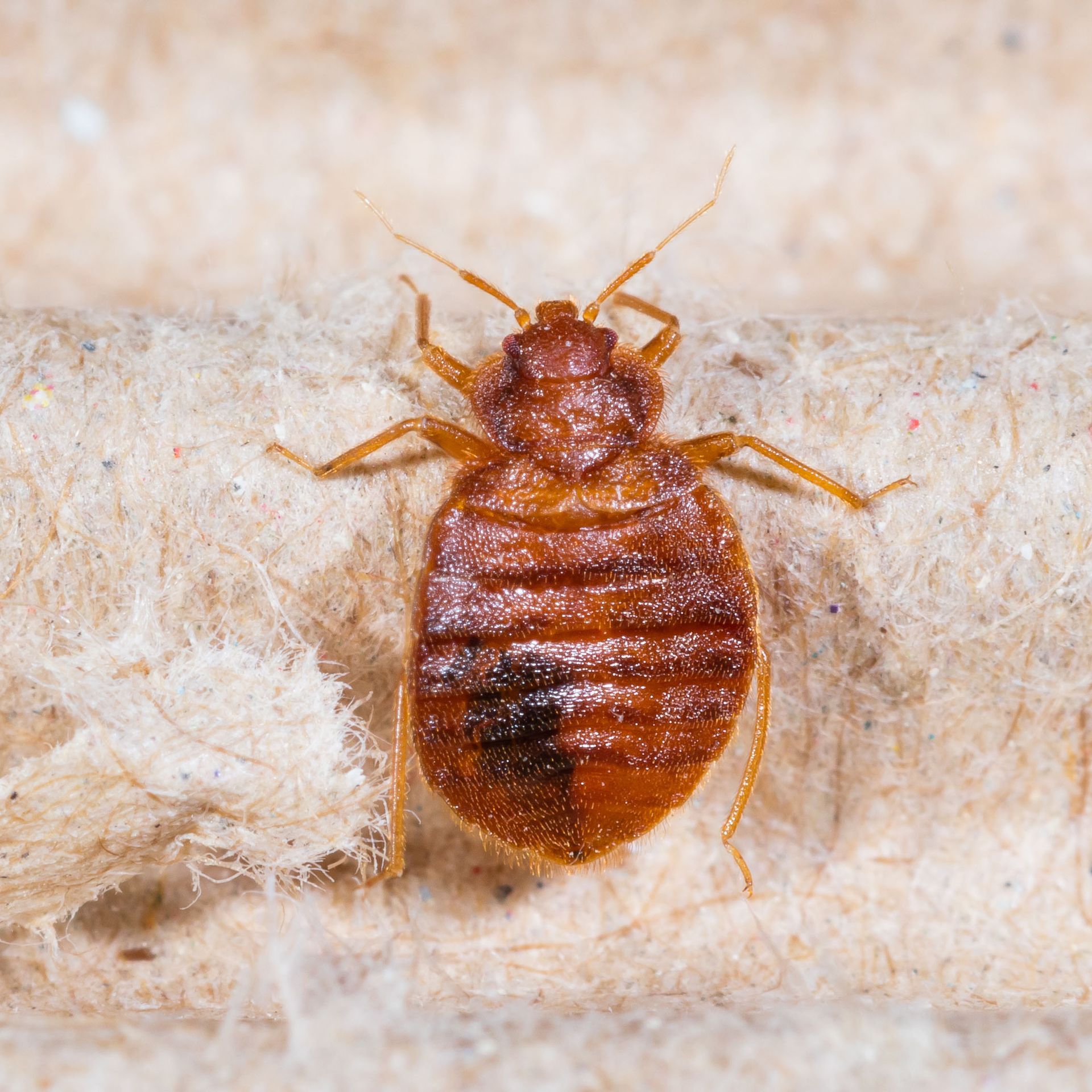
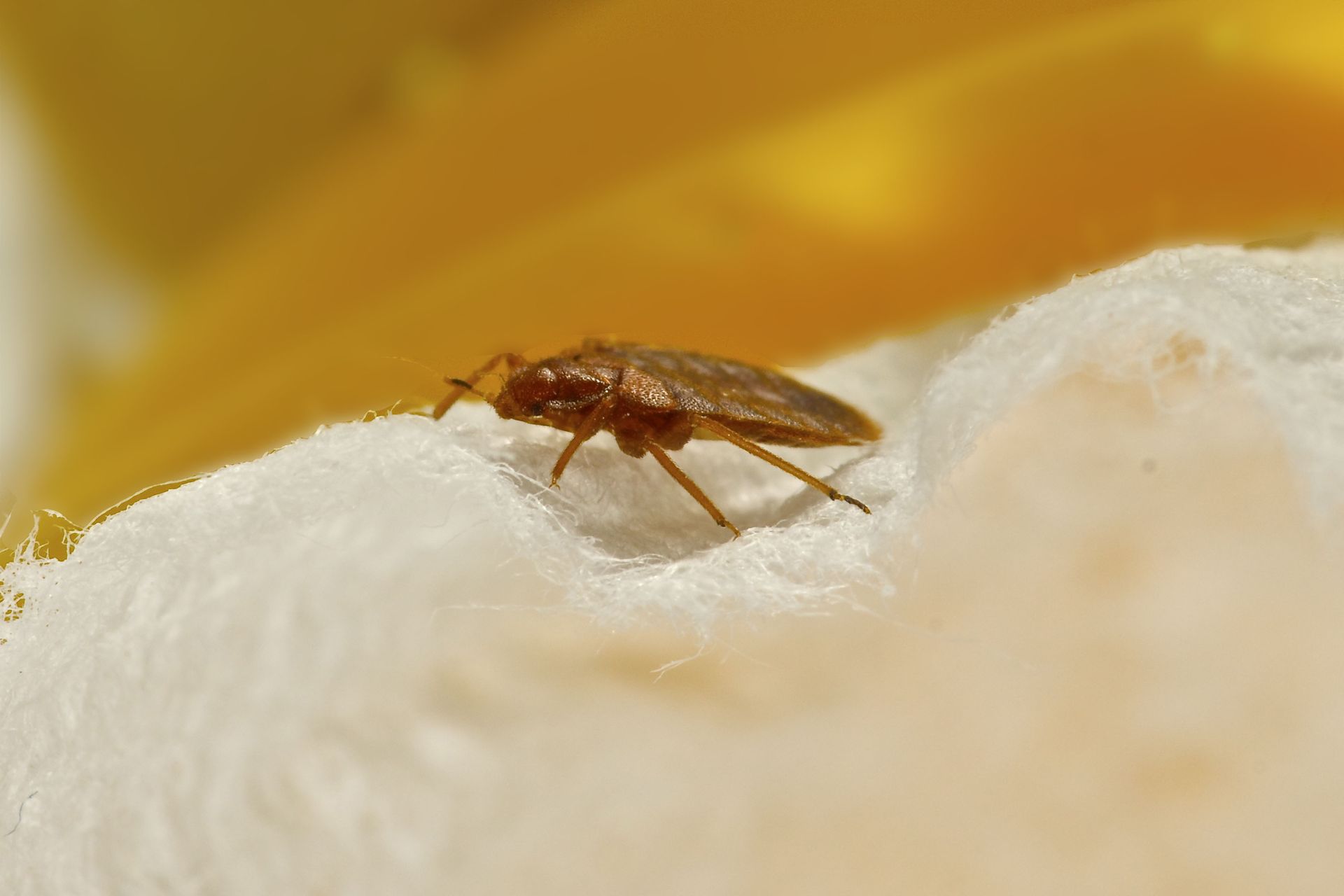
Discovering red, itchy bites upon waking up or finding mysterious dark spots on your bed sheets can instantly trigger anxiety and panic for any property owner. Bedbugs are relentless, highly adaptable, parasitic pests that hitchhike into homes through luggage, secondhand furniture, clothing, or shared wall voids in multi-family housing units. These nocturnal insects hide in microscopic crevices around sleeping areas during daylight hours, emerging under cover of darkness to feed on human blood. Because bedbugs reproduce rapidly and can survive long periods without feeding, a minor infestation can quietly escalate into a severe, house-wide crisis before visible signs become obvious. Attempting DIY treatments using store-bought sprays or home remedies often fails completely, as these pests easily retreat deeper into baseboards, electrical outlets, and wall cavities to avoid superficial chemicals. According to the CDC bedbugs range from 1mm to 7mm in size (roughly the size of Lincoln's head on a penny). Recognizing the subtle physical evidence and behavioral patterns of an infestation enables property owners to act quickly. Engaging a certified exterminator ensures that these invasive pests are eradicated thoroughly using specialized equipment and proven professional protocols.
Identifying Physical Evidence Around Sleeping Areas
Inspecting your mattress, box spring, and bed frame provides crucial early evidence when verifying a suspected infestation. Bedbugs leave behind distinct physical traces in areas where humans rest for extended periods. Tiny dark spots that resemble ink dots from a fine-tip marker often appear along mattress seams, tag edges, and box spring corners; these spots represent digested blood excretions. Additionally, as young nymphs grow, they shed their pale yellow, translucent exoskeletons, leaving cast skins tucked inside fabric folds and wooden joints. Property owners may also discover small, rusty smears on sheets or pillowcases caused by accidentally crushing engorged insects while shifting during sleep. Furthermore, severe infestations often produce a sweet, musty odor emitted from pest scent glands. Examining headboards, bed slats, and nearby furniture joints with a bright light source helps reveal these physical signs early. When physical evidence appears across multiple resting zones, contacting a licensed exterminator guarantees a comprehensive inspection and precise species identification before the infestation spreads further.
Examining Unexplained Skin Bites and Reactions
Noticing clusters or lines of raised, itchy red welts on your skin often serves as the initial warning sign that pests are active in your home. Bedbug bites frequently appear on exposed areas of skin during sleep, such as arms, shoulders, neck, face, and legs. Unlike mosquito or flea bites that occur randomly, bedbug bites often follow a distinct pattern, appearing in linear rows or tight clusters. Individual reactions to bites vary dramatically depending on personal immune responses; some individuals develop intense swelling, severe itching, and inflamed welts, while others display no visible reaction at all. Because bite reactions can mimic hives, eczema, or mosquito bites, physical skin reactions alone cannot confirm an active infestation. However, experiencing persistent new bite marks each morning alongside unexplained sheet spots strongly indicates nocturnal pest activity. Partnering with a skilled exterminator helps connect bite patterns with physical evidence in your living space, ensuring an accurate assessment and timely eradication plan.
Searching Secretive Crevices and Surrounding Furniture
Locating active harborages requires looking beyond the mattress, as bedbugs excel at hiding in tight, dark crevices near sleeping areas. These flat-bodied insects can squeeze into spaces as thin as a credit card, making baseboards, wall trim, and carpet edges prime hiding locations. Inspecting behind headboards, inside nightstand drawers, under picture frames, and along curtain seams often reveals hidden clusters of live insects, eggs, and shed skins. Electrical outlets and light switch plates mounted near beds also serve as protected highways, allowing pests to move between rooms unseen inside wall voids. Furthermore, upholstered armchairs, couches, and recliner cushions in living rooms frequently harbor active colonies if occupants spend time resting there. Because these pests disperse throughout surrounding furniture, treating only the primary bed fails to eliminate the root problem. Entrusting your home inspection to a professional exterminator ensures that every potential harborage zone across your entire property is meticulously audited and treated.
Understanding Rapid Reproduction and Spread Mechanics
Recognizing how fast a minor pest presence turns into a widespread residential emergency highlights the urgency of immediate intervention. A single female insect can lay numerous eggs throughout her lifespan, depositing tiny, pearl-white eggs into protected cracks using a sticky glue-like substance. Eggs hatch quickly under warm indoor conditions, and newly emerged nymphs begin seeking blood meals immediately to progress through their developmental stages. Without aggressive, professional intervention, a small population established in one bedroom can multiply exponentially, expanding into neighboring rooms, hallway closets, and living areas within a matter of weeks. Attempting to manage an escalating population with over-the-counter foggers often backfires, as harsh chemical fumes scatter insects deeper into walls, spreading the infestation across the entire building layout. Scheduling a certified exterminator at the first sign of activity stops the reproductive cycle, preventing minor localized populations from developing into entrenched, structure-wide infestations.
Differentiating Professional Solutions From Ineffective Remedies
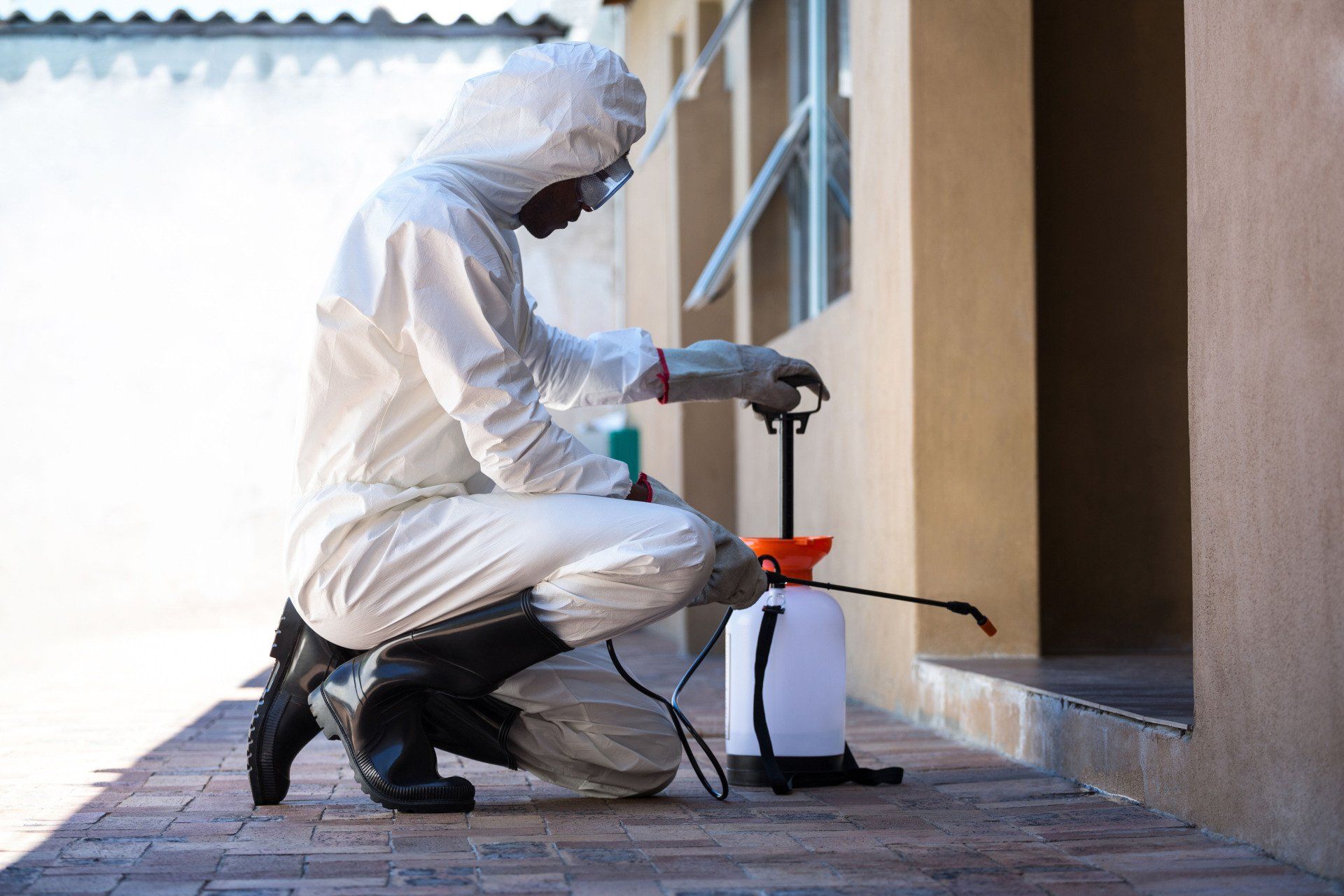
Evaluating pest control options demonstrates why self-treatment methods rarely succeed against resilient, modern bedbug populations. Over-the-counter sprays and consumer pest strips rely on contact chemicals that only affect insects visible on exposed surfaces, leaving eggs, hidden nymphs, and deeply nested adults completely unharmed. Furthermore, bedbugs have developed significant genetic resistance to many common consumer pesticide formulations, rendering standard retail products virtually useless. Professional pest management companies employ sophisticated multi-tactic approaches, including commercial thermal heat treatments, specialized dust formulations for wall voids, and precision liquid barriers designed to eliminate pests across all life stages. Thermal heat remediation raises ambient room temperatures to levels that prove lethal to insects and eggs hidden deep inside furniture joints and wall cavities. Relying on an experienced exterminator saves property owners time, frustration, and financial stress by delivering complete, guaranteed eradication on the very first try.
Preparing Your Property for Comprehensive Eradication
Coordinating property preparation steps with your chosen pest control specialist maximizes the overall success of professional treatments. Preparing a home for comprehensive treatment involves laundering bed linens, blankets, and clothing using high heat, which naturally kills insects and eggs trapped in fabrics. Decluttering floor space, emptying nightstand drawers, and moving furniture away from walls allows technicians unimpeded access to baseboards, wall voids, and hidden harborages. Vacuuming mattress seams, box springs, and carpet edges removes loose debris, cast skins, and unhatched eggs, enhancing the coverage and efficiency of applied treatments. Professional technicians provide clear, customized prep guidelines before arriving on site, ensuring that every room is fully optimized for maximum treatment impact.
Restoring peace of mind, comfort, and safety in your living space requires immediate, decisive action at the very first sign of a suspected pest presence. Recognizing physical indicators—such as dark mattress spots, shed skins, unexplained bite patterns, linear harborage clusters, and musty room odors—allows property owners to confront infestations before they spread throughout an entire residence. Attempting superficial DIY remedies only delays effective treatment, allowing invasive populations to multiply and retreat deeper into structural wall voids. Professional intervention provides the advanced thermal equipment, targeted treatment protocols, and specialized industry expertise needed to eliminate pests across all developmental stages safely and completely. At Pest Solutions, we bring extensive technical expertise, advanced treatment technologies, and compassionate customer service to every residential and commercial project we manage. Contact our experienced team today to schedule a thorough property inspection, discuss your pest control needs, and discover how our specialized services can restore clean, pest-free comfort to your home.


Share On: