
Termite Terrors: How Termites Can Damage Your Home
Termites are among the most destructive pests a homeowner can encounter. By the time visible signs appear, significant damage may already exist behind walls, beneath floors, or inside support beams. Homeowners who ignore the warning signs may face expensive repairs, compromised structural integrity, and reduced property value. Professional exterminator services play a critical role in identifying termite activity early and preventing widespread destruction. Understanding how termites operate and the types of damage they cause can help homeowners recognize the importance of prevention and timely treatment.
Why Termites Are So Destructive
Termites survive by feeding on cellulose, the primary component found in wood and plant material. Because homes contain framing, support beams, flooring, trim, cabinets, and other wooden materials, they become ideal environments for termite colonies. Once termites establish a nest, they continuously expand their feeding tunnels through structural wood. Over time, this weakens important components of the home and may eventually create dangerous safety concerns.
One reason termites are so destructive is their ability to remain hidden. Unlike rodents or ants, termites usually stay out of sight while they feed inside walls or beneath surfaces. Homeowners often discover infestations only after visible signs emerge, such as hollow-sounding wood, sagging floors, or bubbling paint. Professional exterminator services are essential because trained technicians know where termites hide and how to detect subtle signs before the infestation becomes severe.
Common Types of Termites Found in Homes
Several termite species can invade residential properties, but subterranean termites are among the most common and damaging. These termites live underground and build mud tubes to travel between their colony and food sources. Because they stay hidden beneath soil and inside walls, they can cause extensive structural damage before detection.
Drywood termites represent another major concern. Unlike subterranean termites, drywood termites do not require contact with soil. They can infest wooden furniture, attic beams, and framing directly. This allows them to spread throughout different areas of the home without obvious external signs.
Dampwood termites are less common but still problematic in areas with moisture issues. These termites prefer wood exposed to excess humidity or water damage. Homes with leaking pipes, poor drainage, or inadequate ventilation may become attractive targets. Reliable exterminator services can identify the specific termite species affecting a property and create a treatment plan tailored to the infestation.
Structural Damage Caused by Termites
One of the greatest dangers associated with termites is structural damage. Termites feed continuously, often twenty-four hours a day, weakening wooden supports throughout the property. As colonies grow larger, the damage accelerates. Support beams, floor joists, wall studs, and roof framing may all become compromised.
In severe infestations, floors may begin to sag, doors may no longer close properly, and walls can develop cracks. Wooden structures weakened by termites may eventually fail under pressure, creating costly and potentially hazardous situations. According to Consumer Affairs, each year in the United States, termites cause more than $5 billion in property damage. This staggering figure highlights why professional inspections and exterminator services are so important for homeowners.
Structural damage is a concern because termite destruction often occurs internally. The outer surface of the wood may appear intact while the inside has been hollowed out. This hidden deterioration makes routine inspections essential for protecting the integrity of the home.
Damage Beyond Wooden Structures
Although termites primarily target wood, their destruction often extends far beyond framing and support beams. These pests may also damage drywall, wallpaper, carpeting, insulation, and even books or cardboard storage boxes. As they tunnel through materials, they create pathways that weaken interior surfaces and reduce the overall condition of the property.
Termites can also indirectly contribute to moisture problems. Their tunnels may allow humidity and water intrusion into walls and flooring, increasing the likelihood of mold growth and additional deterioration. In some cases, termite activity damages electrical wiring insulation, which can create further repair concerns.
Homeowners are sometimes surprised by the extent of restoration required after a serious infestation. Repairing cosmetic damage, replacing flooring, and restoring damaged walls can become expensive quickly. Professional exterminator services help minimize these risks by eliminating colonies before destruction spreads throughout the home.
Signs That May Indicate a Termite Problem
Recognizing early warning signs can make a major difference in preventing severe termite damage. One of the most common indicators is the appearance of mud tubes along foundation walls, crawl spaces, or basement surfaces. Subterranean termites use these tunnels to maintain moisture while traveling between food sources.
Another warning sign is wood that sounds hollow when tapped. Since termites consume wood from the inside out, affected materials may appear normal externally while lacking internal strength. Homeowners may also notice blistering paint, warped wood, or small piles of discarded wings near windows and doors.
Swarming termites are another clear indication of possible infestation. Winged termites emerge to establish new colonies, often appearing during warmer months. If swarmers are found indoors, it may signal an established colony within the property. Prompt action and professional exterminator services can prevent a small infestation from turning into a major structural problem.
Why Moisture Attracts Termites
Moisture plays a significant role in many termite infestations. Damp conditions create ideal environments for termites to survive and expand their colonies. Homes with leaking roofs, poor drainage systems, clogged gutters, or plumbing issues may unknowingly attract these destructive pests.
Basements, crawl spaces, and poorly ventilated attics are especially vulnerable because humidity levels tend to remain elevated in these areas. Wood exposed to long-term moisture becomes softer and easier for termites to consume. In addition, standing water around foundations can encourage subterranean termites to move closer to the home.
Professional inspections often include evaluations of moisture conditions because controlling excess humidity is an important part of long-term termite prevention. Experienced exterminator services not only address existing infestations but also identify environmental factors that may increase future risk.
The Financial Impact of Termite Damage
Termite damage can create enormous financial strain for homeowners. Repair costs often extend far beyond replacing damaged wood. Structural restoration, flooring replacement, drywall repairs, and mold remediation may all become necessary after a severe infestation.
Many homeowners are surprised to learn that standard homeowners insurance policies frequently do not cover termite damage. Insurance providers often consider termite infestations preventable maintenance issues rather than sudden accidents. As a result, homeowners may be responsible for the full cost of repairs and treatments.
In addition to repair expenses, termite infestations may lower property values and complicate real estate transactions. Buyers often request termite inspections before purchasing a home, and evidence of infestation can delay sales or reduce offers. Investing in regular inspections and professional exterminator services can help protect both the home and its long-term market value.
How Professional Termite Treatments Work
Professional termite treatments are designed to eliminate active colonies and prevent future infestations. Treatment methods vary depending on the species involved, the severity of the infestation, and the construction of the home.
Liquid barrier treatments are commonly used for subterranean termites. These treatments create a protective zone around the foundation that termites cannot cross without exposure. Baiting systems may also be installed around the property to attract termites and gradually eliminate the colony.
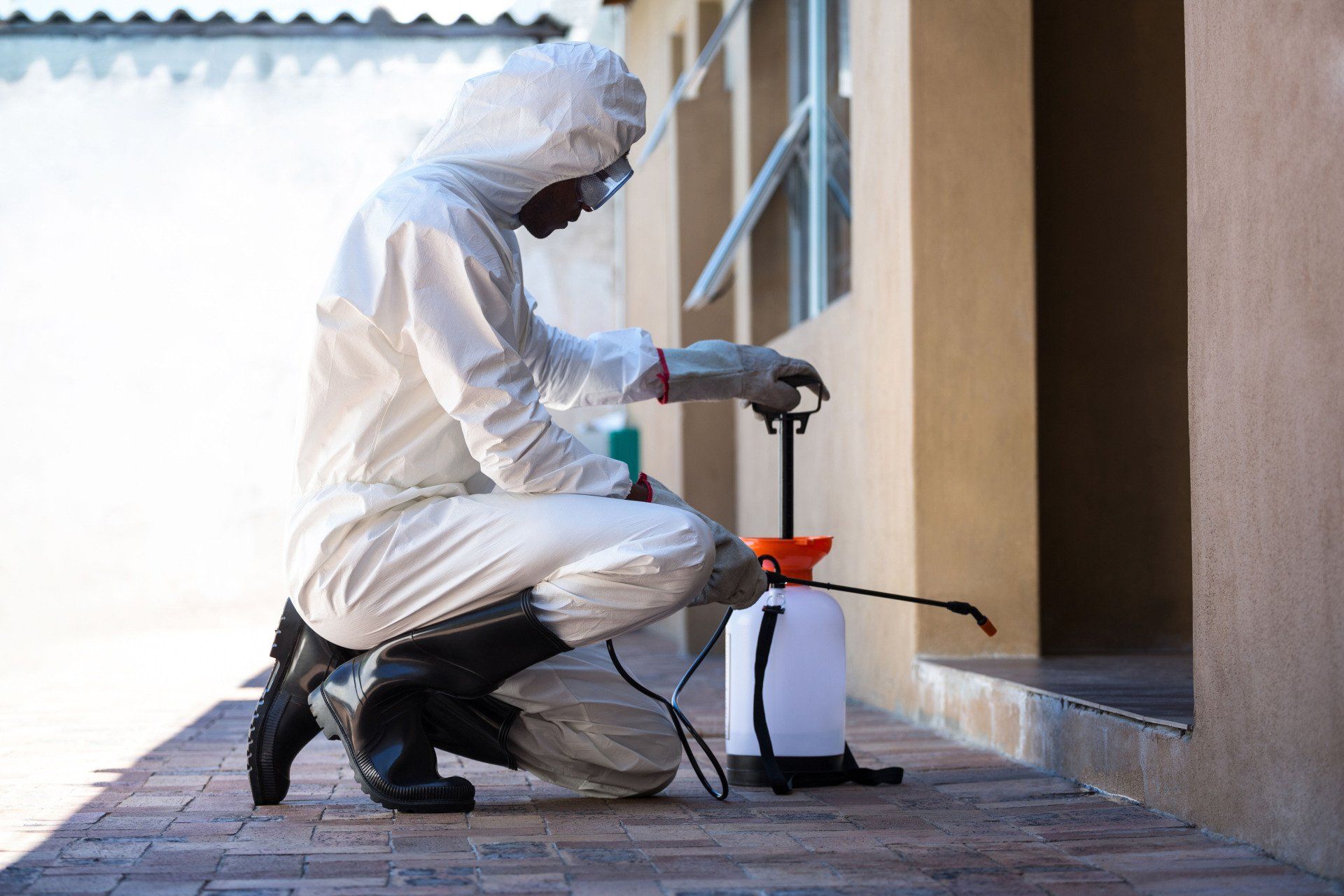
Drywood termite infestations may require localized treatments or fumigation, depending on the extent of the problem. Professional exterminator services assess the entire property carefully to determine the most effective strategy for long-term control.
Modern termite treatments are often far more targeted and efficient than many homeowners realize. Trained technicians use specialized tools and techniques to locate hidden activity and apply treatments precisely where needed.
Termites may be small, but the destruction they cause can be enormous. Understanding the risks associated with termite infestations helps homeowners recognize the importance of inspections, treatment, and preventive care. To get started with professional exterminator services, contact our team at Pest Solutions today!
Share On: